19 Most Common Problems With The Volkswagen Golf
The Volkswagen Golf is one of the most iconic and well-loved cars in automotive history, with over 35 million units sold and numerous awards to its name. Since its debut in 1974, the Golf has consistently set the benchmark for hatchbacks, offering a blend of practicality, performance and style.
With a diverse lineup including models like the GTI, R, TDI, and e-Golf, it continues to cater to a wide range of drivers and preferences. Its popularity has spawned multiple generations, each delivering innovation while maintaining its core identity. However, even this crowd favourite is not without its issues.
Common Problems With The Volkswagen Golf
In this article, we’ll delve into 19 of the most common problems reported by Golf owners and explore how to address them effectively.
1. Clutch Issues
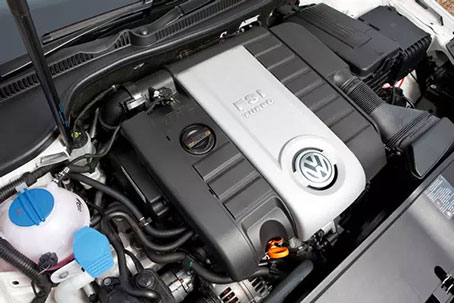 A common complaint among manual Golf owners is premature clutch wear. Symptoms include difficulty changing gears or a slipping clutch. This issue can arise from a combination of heavy traffic use and occasional design weaknesses.
2. DSG Transmission Faults
The Golf’s Direct Shift Gearbox (DSG) is known for its smooth performance, but it’s not immune to problems. Owners have reported jerky shifts or complete failure. Regular servicing and fluid changes are essential to prevent costly repairs.
3. Turbocharger Problems
Turbocharged Golf models, such as the GTI and TDI, sometimes experience turbo failures. This issue typically arises after 80,000 to 100,000 miles and can cost upwards of £1,000 to repair depending on the extent of the damage. This can manifest as a loss of power or excessive smoke from the exhaust. Often, the issue is caused by carbon build-up or inadequate maintenance.
4. Timing Chain Tensioner Failure
 In certain petrol engines, timing chain tensioners have been known to fail, particularly in early models. This can lead to engine damage if not addressed promptly. Regular checks and timely replacements are critical.
5. Excessive Oil Consumption
Some Golf engines, particularly the TSI models, are notorious for burning oil at an alarming rate. Drivers may notice the need for frequent top-ups or a warning light on the dashboard.
6. Water Pump Failures
Water pumps are another Achilles’ heel for the Golf. A failing water pump can cause the engine to overheat, potentially leading to severe damage. Symptoms include coolant leaks or high engine temperature readings.
7. Electrical Gremlins
Electrical issues are not uncommon, especially in older models such as the MK5 and MK6 (2003-2012), which often suffer from faulty wiring and control modules. These range from malfunctioning windows and door locks to issues with the infotainment system. Faulty wiring or control modules are often the culprits.
8. AdBlue System Malfunctions
Diesel models equipped with AdBlue systems may encounter problems, such as warning lights or failure to start. These issues often stem from crystallisation in the system or a faulty sensor.
9. Suspension Noises
Many owners report knocking or creaking noises from the suspension, particularly over bumps. This is usually due to worn-out bushings, control arms or shock absorbers.
10. EGR Valve Blockages
Exhaust Gas Recirculation (EGR) valves, common in diesel models, can become clogged with carbon deposits. This results in reduced performance, increased emissions and even engine stalling.
11. Fuel Injector Problems
Faulty fuel injectors are another common issue, especially in diesel models. Symptoms include rough idling, misfires or reduced fuel efficiency. Regular servicing helps prevent these issues.
12. DPF Blockages
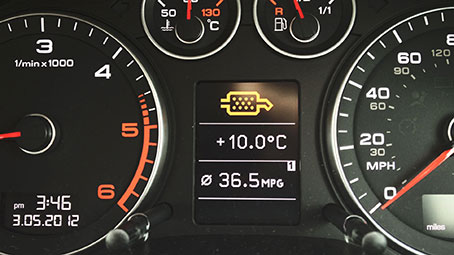
The Diesel Particulate Filter (DPF) in Golf diesel models can become blocked, especially if the car is used for short trips. Warning lights and reduced engine performance are typical symptoms.
When the DPF warning light comes on, you have an issue with the DPF or Diesel Particulate Filter. This filter is responsible for controlling the emissions coming from the exhaust. If you only drive short distances, you cannot build up enough heat to burn off the particulates.
You should try driving longer distances around 2500 rpm on a motorway for approximately 15 minutes. It will increase enough heat to clear the particulates from the filter. If this does the trick, the warning light will turn off. If not, you will have to replace the DPF.
13. Cooling Fan Failures
Faulty cooling fans can lead to engine overheating, particularly in hot weather or during heavy use. This issue is often due to a failed motor or electrical fault.
14. Air Conditioning Issues
Golf owners frequently report problems with the air conditioning system, including poor cooling or complete failure. This is typically caused by leaks in the system or a failing compressor.
15. Heater Core Leaks
In some older models, the heater core can develop leaks, leading to reduced cabin heating and coolant loss. Replacement is the only solution, and it can be a labor-intensive repair.
16. Rust on Bodywork
Although Volkswagen generally uses high-quality materials, some older Golf models are prone to rust, particularly around the wheel arches and door sills. Regular cleaning and rust-proofing can help mitigate this issue.
17. Brake Issues
 Some Golf owners report brake problems, such as squealing, vibration or reduced stopping power. This is often due to worn pads or discs, though in some cases it’s linked to a faulty ABS module.
18. Having A Tough Time Getting Into Fifth Gear
There could be a problem if you can shift in all the other gears but the fifth gear is tough. It could be you are running low on gearbox oil so check the level first. If you have enough oil then possibly you have a broken gear linkage or an issue with the gear cables. Check all the linkages for damage or wear and tear. If the linkages are fine, move on to the cables. Any damaged parts will have to be replaced.
19. Damaged Seat Belts
The seat belts will tighten too much when you lean forward too quickly. This is caused by the seat belt pre-tensioner which is something you can put off. Some Volkswagen Golfs built between 1997 and 2004 have pre-tensioners that discharge excessive heat when put to use. There is a good risk of them causing a fire if not taken care of. You must find and replace seat belt pre-tensioners as soon as possible.
It’s important you stay up on top of all the components in your car in order for better performance, longer life and to prevent future complications. If you are having issues, get your vehicle checked out as quickly as possible. Even if you do not experience problems, it’s a good idea to periodically check everything out. If you don’t, something serious could arise putting you in harm’s way.
Volkswagen Golf Problems In Detail
Click below for more details on known problems with individual Golf components.
Golf Engine Problems
Here are some of the most common problems reported with Volkswagen Golf engines:
- Rattling sounds: This is a tell-tale sign of a faulty camshaft-driven high-pressure fuel pump. It’s recommended to replace this part around every 20,000 miles even if you don’t hear the rattling yet.
- Engine Misfiring: Faulty ignition coil packs are a common culprit behind engine misfiring in Golfs.
- Limp Mode: If your Golf goes into limp mode, it could be due to various reasons, but engine issues are a possibility.
- Rough Idling: This could be caused by a number of factors, but faulty spark plugs or a dirty throttle body are common reasons.
These are just a few of the most frequent engine problems with Volkswagen Golfs. It’s important to note that the specific issues you might encounter will depend on the model year and engine type of your Golf.
Golf Gear Box Problems
The most common problems with Volkswagen Golf gearboxes tend to focus on models with the DSG (Direct Shift Gearbox), a dual-clutch automatic transmission. Here are some of the most frequent issues:
- Mechatronic failures: The mechatronics unit acts as the brain of the DSG, controlling gear changes. Malfunctions can cause juddering, hesitation or complete loss of gears.
- Mechatronic leaks: Leaks within the mechatronics unit can disrupt operation and lead to shifting problems.
- Solenoid valve failures: Faulty solenoid valves can prevent smooth gear changes or cause hesitation.
- Juddering and shaking: This is a common symptom of DSG problems, often occurring during gear changes or acceleration.
- Gear slippage: Worn clutch plates or low fluid levels can cause the transmission to slip gears.
- Overheating: DSG gearboxes can overheat under heavy loads, leading to premature wear and potential failure.
It’s important to note that manual gearboxes used in some Golfs can also experience problems like clutch wear and difficulty shifting, but these are generally less frequent than the DSG issues listed above.
Golf Brake Problems
Here are some of the most common problems reported with Volkswagen Golf brakes:
- Unresponsive Brakes: This can be caused by a number of issues, including a brake fluid leak, worn brake pads or a faulty brake servo unit.
- ABS Problems: Some Volkswagen Golf models, particularly earlier ones (around 2009-2010), have had reported issues with the Anti-Lock Braking System (ABS) failing at inopportune moments.
- Corrosion: Rusty calipers and discs are a concern, especially if your Golf isn’t garaged and is exposed to the elements.
- Worn Brake Pads: This is a general wear and tear item and how often they need replacing depends on your driving habits. However, keep an ear out for grinding noises which can indicate worn pads.
- Burning Smell: This could indicate overheating brakes, which can be caused by riding the brakes for extended periods or by a dragging caliper.
Additional Points:
- While less common, some owners have reported issues with the brake fluid boiling. This can be caused by old brake fluid or overheating brakes.
- It’s important to remember that the specific problems you experience with your Golf’s brakes will depend on the model year and how well the car has been maintained.
If you notice any of these problems with your Volkswagen Golf’s brakes, it’s important to get them checked out by a qualified mechanic as soon as possible. Brakes are a vital safety system and any problems should be addressed promptly.
Golf Suspension Problems
The Volkswagen Golf, especially certain model generations, can experience a few common suspension problems. Here are the most frequent ones:
- Noisy Suspension: This is a widespread issue, with the culprits often being worn anti-roll bar bushes or rear axle bushes. Worn bushes let parts move around more than intended, causing clunking or knocking noises when going over bumps.
- Worn Suspension Struts: Struts are key components that dampen impacts and maintain ride height. Worn struts can lead to a bouncy ride, poor handling and uneven tyre wear.
- Swaying or Uneven Handling: This can be caused by worn suspension components like struts, shock absorbers or control arm bushings. It can also be a sign of a problem with the springs.
- Premature Tire Wear: Uneven tyre wear, particularly on the inside edges, can be caused by misaligned wheels or worn suspension components that affect proper wheel alignment.
Here are some additional points to consider:
- Model Year Matters: The specific components most prone to wear will vary depending on the model year of your Golf.
- Driving Habits: If you drive on rough roads frequently or take corners aggressively, you might experience suspension problems sooner.
If you suspect any issues with your Golf’s suspension, it’s recommended to have it inspected by a mechanic. Early detection and repair can save you money in the long run by preventing further damage to other suspension components.
Specialist Golf Servicing
 Owning a Volkswagen Golf comes with its share of joys and challenges, and when problems arise, it’s crucial to have the right team on your side. This is where Volksmaster shines. With over 30 years of experience specialising in Volkswagen, Audi, Seat and Škoda (VAG) vehicles, Volksmaster has become a trusted name in car servicing and repair.
Why Choose Volksmaster?
Family-Run Business: With 4 branches across Greater Manchester, Volksmaster combines the personalised service of a family-run business with the expertise of a main dealer.
Main Dealer Trained Technicians: Our highly skilled technicians have the training and experience to tackle even the most complex issues.
Latest Technology: Volksmaster invests in state-of-the-art diagnostic and repair equipment, ensuring we can handle any problem your Golf might face.
Core Values: Transparency, competitive pricing and quality workmanship are at the heart of everything we do.
Thousands of Satisfied Customers: Over the years, Volksmaster has earned the loyalty of countless customers who appreciate our honest approach and excellent service.
Services Tailored to Your Golf
Whether it’s a routine service, a tricky DSG repair or resolving that pesky engine light, Volksmaster’s team has you covered. We offer premium servicing and repairs at prices that won’t break the bank, all backed by our motto: Confidence In Quality.
Contact Volksmaster Today
If you’re experiencing any of the issues listed above or simply want to keep your Volkswagen Golf in top condition, trust the experts at Volksmaster. With 4 conveniently located branches, friendly staff and a dedication to excellence, we’re your go-to destination for VAG servicing and repair.
We cover North and Central Manchester, Oldham, Bury, Heywood, Bolton, Rochdale, Ashton-under-Lyne and surrounding areas.
If you are considering a service, repair or MOT for your VW Golf you can book your VW Golf in to one of our 4 branches by using the simple form below or give us a call at
Heywood on 01706 622633,
and our Oldham Van Centre 0161 628 5270.
We also offer a highly convenient Collect & Return service or a Courtesy Car to ensure your routine is disrupted as little as possible while your vehicle is serviced, repaired or undergoes an MOT.
Ready To Book Your Golf Service Or Repair?
Arranging Your Service Or Repair
Drop your car off
Simply drop your car off with us between 8am and 10am and in most cases your vehicle will be ready for collection the same day between 3.30 and 5.30. Outside these hours you are welcome to park.
Courtesy car
If your vehicle needs to stay with us for 1 day or longer then you are able to pre-book one of our courtesy vehicles to keep you mobile.
Pick up / drop off (5 mile radius)
The ultimate hassle free solution; one of our drivers will arrange to collect your vehicle from your home or place of work at a pre-arranged time and then return your vehicle when the work is complete. Our service advisors will contact you when the vehicle arrives on site during the day to discuss the progress of the work and then advise you of the time you can expect your vehicle back. Contact our service advisors for more details.
Completed VM Website Booking Page Form
VAG Service Prices